Brampton Industrial Cleaning
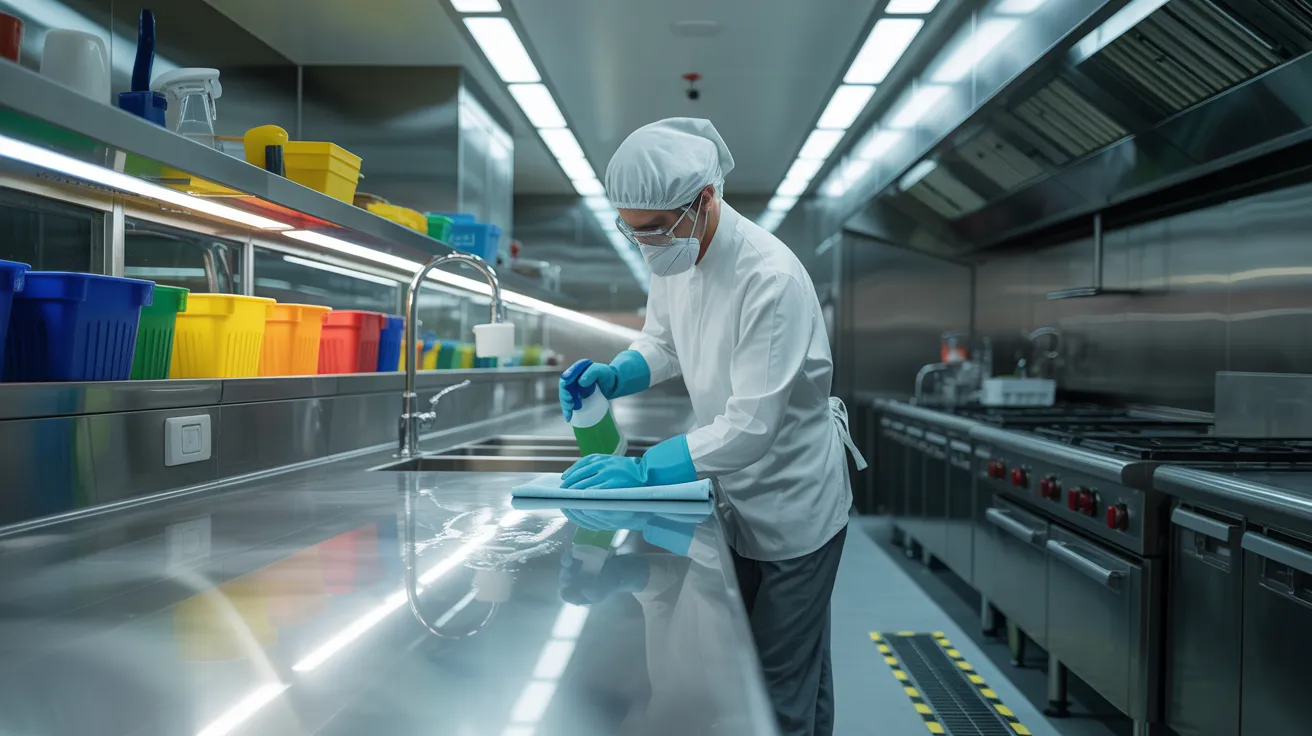
Food hygiene and commercial cleaning experts in Brampton assist you in maintaining restaurants, commissaries, bakeries, warehouses, and food service units to code. They sanitize high-touch points, food preparation zones, equipment, floors, drains, restrooms, and food handling zones using certified sanitizers, correct concentration, and documented exposure durations.
Important Highlights
- Brampton's sanitation specialists maintain restaurants, grocery departments, commissaries, warehouses, bakeries, schools, mobile vendors, and allergen-sensitive operations.
- Cross-contamination prevention is achieved by treating frequently contacted areas, food-contact equipment, kitchens, floors, drains, restrooms, and storage areas with sectional methods.
- Approved sanitizer dilution, alignment, and contact time are validated by certified specialists, with conclusion documented via tests, reviews, and corrective-action records.
- Sound hygiene calendars consider risk, output capacity, changeovers, releases, and requirements when allocating daily, regular, and cyclical activities by zone.
- Opt for vendors with HACCP, public-health, expertise, safety training, instruction, coverage, endorsements, coded equipment, and inspection-ready cleaning paperwork.
Which Brampton Venues Need Food Safety Cleaning?
You must maintain food safety cleaning if your business is regulated by public health review, food regulations, or HACCP systems. This covers eateries, dining areas, supply warehouses, retail departments, meat counters, fish departments, general stores, and facility-based kitchens.
Compliant food safety cleaning is needed in storage facilities, production centers, refrigerated warehouses, bakeries, school nutrition services, event spaces, and delivery hubs. Mobile and temporary operations count too, such as food trucks, event sellers, and temporary stalls. Your location needs written cleaning standards whenever your staff process ingredients, portion ready-to-eat items, reheat products, or store allergens. In Brampton, cleanliness stays discretionary; it constitutes lawful, operational, and customer protection standards.
Which Areas Do Brampton Cleaning Experts Cover?
You need professional cleaners who disinfect frequently contacted areas, kitchen areas, floor surfaces, and restrooms to meet food safety and public health standards. They focus on these spaces because they present the highest risk for cross-contamination, slip hazards, and sanitation breaches.
When you know their cleaning scope, you can ensure your operation's cleaning procedures satisfy operational and regulatory requirements.
High-Touch Surface Sanitizing
establish how frequently each zone is sanitized
Maintaining a unidirectional system, rotating cleaning materials, and dividing cleaning tools according to zone ensures that protocol stays quantifiable, justified, and inspection-ready continuously
Food Prep Areas, Flooring, and Sanitary Facilities
Expect Brampton cleaning experts to target kitchens, floors, and restrooms because each area carries distinct food safety, accident prevention, and sanitation risks. In industrial kitchens, you need grease removal from cooking stations, appliance surfaces, drain systems, preparation areas, and backsplashes to minimize bacterial growth and pest activity.
Floor care that is recorded should equally be anticipated. Technicians scrub and extract buildup from grout, tile, and vinyl flooring, then apply proper moisture management so you can limit falls and maintain code-compliant conditions. They also handle entry points where dampness and dirt enter the building.
For restroom sanitation, cleaners disinfect high-touch surfaces, bathroom fixtures, stall dividers, supply dispensers, and trash receptacles, then refill items and eliminate smells. They also service restaurant moprooms, where chemical storage, sink hygiene, and drainage conditions can affect sanitation compliance and staff safety daily.
Why Food Safety Cleaning Matters in Brampton
Brampton facilities demand proper hygiene standards to meet health code requirements and pass inspections. You also minimize cross-contamination by cleaning and sanitizing food-contact surfaces, equipment, and high-touch areas correctly. Most importantly, you safeguard public health by lowering the risk of foodborne illness in your facility.
Health Code Compliance
Since Brampton food companies must follow mandatory safety protocols, your hygiene maintenance directly determines your capability to fulfill health codes, defend diners, and sidestep regulatory penalties. You must maintain clean food preparation areas, documented cleaning schedules, appropriate product handling, and traceable training practices that meet municipal and provincial inspection expectations.
Robust cleaning records enable you to demonstrate due diligence during compliance reviews and establish your methods remain consistent, reproducible, and documented. Strong cleaning protocols also enables allergen reduction by minimizing particles on mutual appliances and frequently touched surfaces.
Cross-Contamination Prevention
Maintaining health code standards copyrights on your power to stop cross-contamination during everyday food preparation and sanitation. You must separate raw ingredients from ready-to-eat foods, sterilize work zones between assignments, and store chemicals away from food-contact items. Explicit protocols lower contamination threats and reinforce steady regulatory adherence.
You could implement allergen segregation to stop main allergens from reaching shared surfaces, containers, or equipment. Use dedicated cutting boards, color-coded tools, and strict utensil labeling so team members avoid blending products throughout cooking or delivery. Mandate handwashing after handling raw meat, seafood, eggs, or allergen-containing products. Swap cleaning rags frequently, and check sanitizer strength with test strips. When employees learn these procedures every shift, you develop a more sanitary, secure business that matches Brampton's safety requirements daily.
Community Health Protection
Should food safety cleaning collapse, you don't simply encounter inspection problems—you increase the potential of contamination-related sickness impacting customers, staff, and the wider Brampton population. You also weaken your role in safeguarding community wellness, especially in high-traffic food premises where contamination can spread quickly through surfaces, equipment, and touchpoints.
You must implement sanitation protocols that remove soils, properly disinfect, and verify results. This involves maintaining contact periods, utilizing authorized sanitizers, recording schedules, and coaching staff to meet health-unit expectations. These actions support disease important guide prevention by suppressing pathogens before affecting food surfaces or hands. In Brampton, robust sanitation shields vulnerable populations, curtails outbreak likelihood, and demonstrates accountability. When you adhere to proper protocols, you go beyond regulations—you meaningfully lower danger and promote secure food service throughout the city.
Why Is Cleaning Essential for Food Safety Compliance?
Prioritizing thorough cleaning protocols solidifies food safety compliance by decreasing contamination threats, managing pathogen expansion, and positioning your facility in accordance with sanitation requirements under HACCP-based programs and public health regulations. You confirm that food-handling surfaces appear visibly clean and microbiologically controlled, supporting documented preventive controls and inspection readiness.
Rigorous cleaning standards also strengthen allergen prevention by removing residues that can trigger undeclared allergen exposure.
How Should You Arrange Commercial Cleaning Work?
daily regular cleaning
Occasional tasks need to be scheduled separately
What Should You Look For in Brampton Cleaning Experts?
Begin by evaluating providers based on sanitation compliance standards—not solely on budget. You should confirm that each organization comprehends CFIA, public health, and HACCP-based requirements applicable to your facility. Request proof of insurance, WHMIS compliance, staff training documentation, and oversight procedures. Assess whether technicians recognize cross-contamination risks, chemical handling protocols, and verifiable sanitation records.
You must also evaluate business consistency and oversight. Seek references from food facilities in Brampton, then assess response times, corrective processes, and communication standards. Ensure the company enables supplier checks and can provide inspection-compliant records when authorities or third parties demand verification. Verify equipment care, colour-coded tools are deployed correctly, and site-specific hazards are understood. A reputable service protects compliance, product safety, and your brand reputation.
What does a Food Safety Cleaning Plan encompass?
Create a documented strategy that defines every sanitation duty, guideline, and expectation before production starts. You should document cleaning frequencies, approved chemicals, dilution rates, contact times, tools, and verification methods for each area, section, and machine. Don't forget to add pre-operational inspections, corrective actions, and employee training requirements.
Your plan should also address contamination prevention, garbage management, pest control procedures, and recorded timelines for restrooms, drains, floors, and food-contact areas. Detail how you'll keep raw and prepared foods apart, support ingredient tracking, and ensure accurate allergen labeling through validated cleaning between product changes. You should assign accountability, maintain signed records, and compare results against regulatory standards, HACCP controls, and customer requirements. When gaps appear, update procedures immediately and re-educate staff.
Frequently Asked Questions
Can sanitation providers support overnight shifts in Brampton properties?
Yes, you can contract sanitation providers to manage nighttime operations in Brampton facilities. You'll arrange nighttime cleaning around production schedules, access requirements, and personnel requirements. Services typically outline overnight procedures to minimize interruption, copyright compliance, and log completed work. You should verify response times, oversight, access procedures, and disposal methods before service starts.
Do sanitation professionals provide emergency spill response services?
Yes, you can find many Brampton sanitation experts offering emergency response options. They manage hazardous materials, evaluate risks, contain affected areas, and perform swift decontamination to minimize risk and prevent disruption. You should verify response times, training credentials, safety measures, and disposal methods. If your facility needs compliance, choose a service that logs events, follows procedures, and ensures verification.
Do plant-based disinfectants function safely on food-contact surfaces?
Yes, natural disinfectants can be safe for food-contact surfaces if you opt for solutions certified for food use and meeting regulatory standards. You should validate contact times, dilution rates, and rinse requirements before deployment. Many plant based formulas reduce chemical burden, but you must obtain confirmation of performance against specific pathogens. To maintain residue free surfaces, you must adhere to precise manufacturer instructions and ensure the disinfecting agent adheres to food industry regulations.
Will cleaning plans accommodate seasonal shifts?
Absolutely, cleaning plans allow customization for seasonal variations. Adjust intervals, staffing, cleaning agents, and testing procedures to fit seasonal patterns while sustaining regulatory requirements. Lower equipment downtime through scheduling disinfection during equipment transitions, high demand periods, and usage patterns. Additionally, update procedural documents, employee training, and environmental testing to capture seasonal hazards, additional allergens, or elevated soil levels. Periodic assessments maintain the schedule efficient.
Do professional cleaning services educate staff on sanitation best practices?
Yes, commercial cleaners often train your team on sanitation best practices. You receive employee instruction on proper chemical use, contact times, cross-contamination prevention, equipment disassembly, and documentation. They typically align instruction with HACCP, GMP, and CFIA or local public health requirements. Many also conduct sanitation audits to confirm adherence, spot deficiencies, and strengthen remedial steps. This allows you to sustain uniform processes, pass inspections, and reduce food safety risks daily.
Conclusion
Partnering with Brampton food safety and commercial cleaning experts means more than cleaning—it ensures your facility stays inspection-compliant and your standards are defensible. From kitchen areas to production zones, each cleaned area and maintained corner reduces health hazards and avoids costly disruptions. By scheduling maintenance at suitable frequencies and executing a comprehensive cleaning strategy, you protect your workforce, your customers, and your reputation. In a tightly controlled market, sanitary conditions can't be overlooked—they're vital to proper management.